When designing a bedroom, many homeowners focus on mattresses, bedding, and wall colors, but often overlook one of the most impactful pieces of furniture in the room: the headboard. The right headboard can completely transform your bedroom, adding personality, comfort, and style. Unfortunately, many people make critical mistakes when selecting this key element, leading to a bedroom that feels mismatched, uncomfortable, or poorly designed.
If you’re looking to upgrade your bedroom and want guidance that truly works, consulting with the Best Interior Designer in Andheri can make all the difference. Professionals can offer insights beyond aesthetics, helping you choose a headboard that suits both your space and lifestyle.
In this article, we’ll explore the most common mistakes people make when choosing a headboard, along with tips, real-life examples, and actionable advice to help you make a well-informed decision.
Why Choosing the Right Headboard Matters
One of the most frequent mistakes is selecting a headboard purely because it looks appealing in a showroom or online. While style is important, it should not override functionality.
For instance, tufted or heavily upholstered headboards may look luxurious, but they can be difficult to clean if you have pets or children. A white linen headboard might seem elegant, but after just a few months of regular use, it can show stains or discoloration.
A better approach is to balance style with practicality. Think about your lifestyle: do you read in bed every night? Do you have children who might accidentally bump into the headboard? Considering these factors can help you avoid purchasing a headboard that looks great but fails in real-life functionality.
Example: A family in Andheri recently purchased a velvet, oversized headboard without considering the need to clean it. Within six months, they had to replace it because the material stained too easily.
How to Avoid Common Headboard Mistakes
1. Ignoring Bedroom Size and Proportion
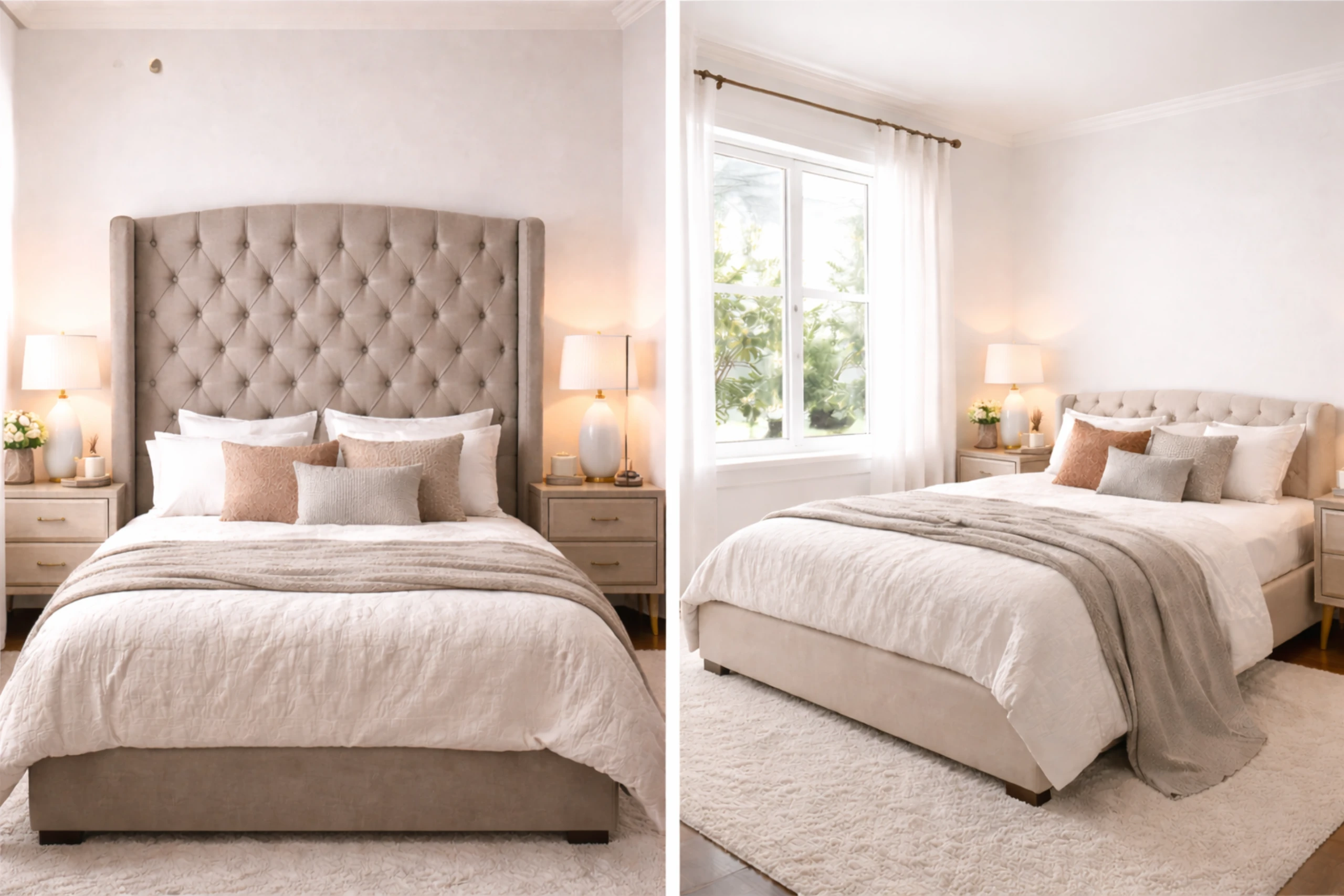
Another common mistake is ignoring the size and scale of the bedroom when choosing a headboard. Many people either choose a headboard that is too large for a small room or too small for a spacious main bedroom.
A headboard that overwhelms a small room can make the space feel cramped and claustrophobic. On the other hand, a tiny headboard in a large room can make the bed look lost and incomplete.
Tip: Measure your bedroom and the bed frame before choosing a headboard. A good rule of thumb is that the headboard should be roughly the same width as your bed or slightly wider. Additionally, consider the height of the headboard relative to the ceiling. For rooms with high ceilings, a taller headboard (4–5 feet) can add balance and visual interest.
Data insight: According to a 2026 design trends survey, 48% of homeowners reported that their headboard looked “out of proportion” in their bedrooms, impacting overall room aesthetics and harmony. Consulting an Interior Designer in Andheri can help ensure the perfect scale and proportion, giving your bedroom a cohesive, balanced look.
2. Choosing Style Over Function
Many homeowners choose a headboard solely for its style, without considering how it will function in daily life. For example, a heavily upholstered, plush headboard may look stunning but can be uncomfortable for sitting upright, reading, or working in bed.
Real-world scenario: A couple purchased a luxury velvet headboard to match their decor. While visually appealing, it was hard to lean against, and the delicate material required constant cleaning. A professional recommendation could have helped them select a padded, yet practical, headboard with a durable fabric suitable for everyday use.
3. Overlooking Material and Durability
Headboards are a long-term investment, yet many buyers neglect to consider durability. Choosing cheap particleboard, low-quality fabrics, or materials that warp easily can result in early replacements and additional costs.
1. Particleboard: Can chip and warp quickly.
2.Fabrics like velvet or linen may stain or tear easily.
3.Heavy solid wood: Durable but hard to move, and can damage walls during installation.
Tip: Opt for solid wood, engineered wood with veneer, or high-performance fabrics. These materials combine style, longevity, and practicality.
4. Forgetting About Functionality
Headboards aren’t just decorative; they enhance comfort and utility. If you enjoy reading or working in bed, a flat or padded headboard that supports sitting upright is essential. Some designs even incorporate built-in storage, shelves, or lighting, ideal for apartments with limited space.
A functional headboard also promotes better sleep by supporting posture and reducing strain on your neck and back. Assess how you use your bed daily, and let that guide your choice.
5. Ignoring Color Coordination
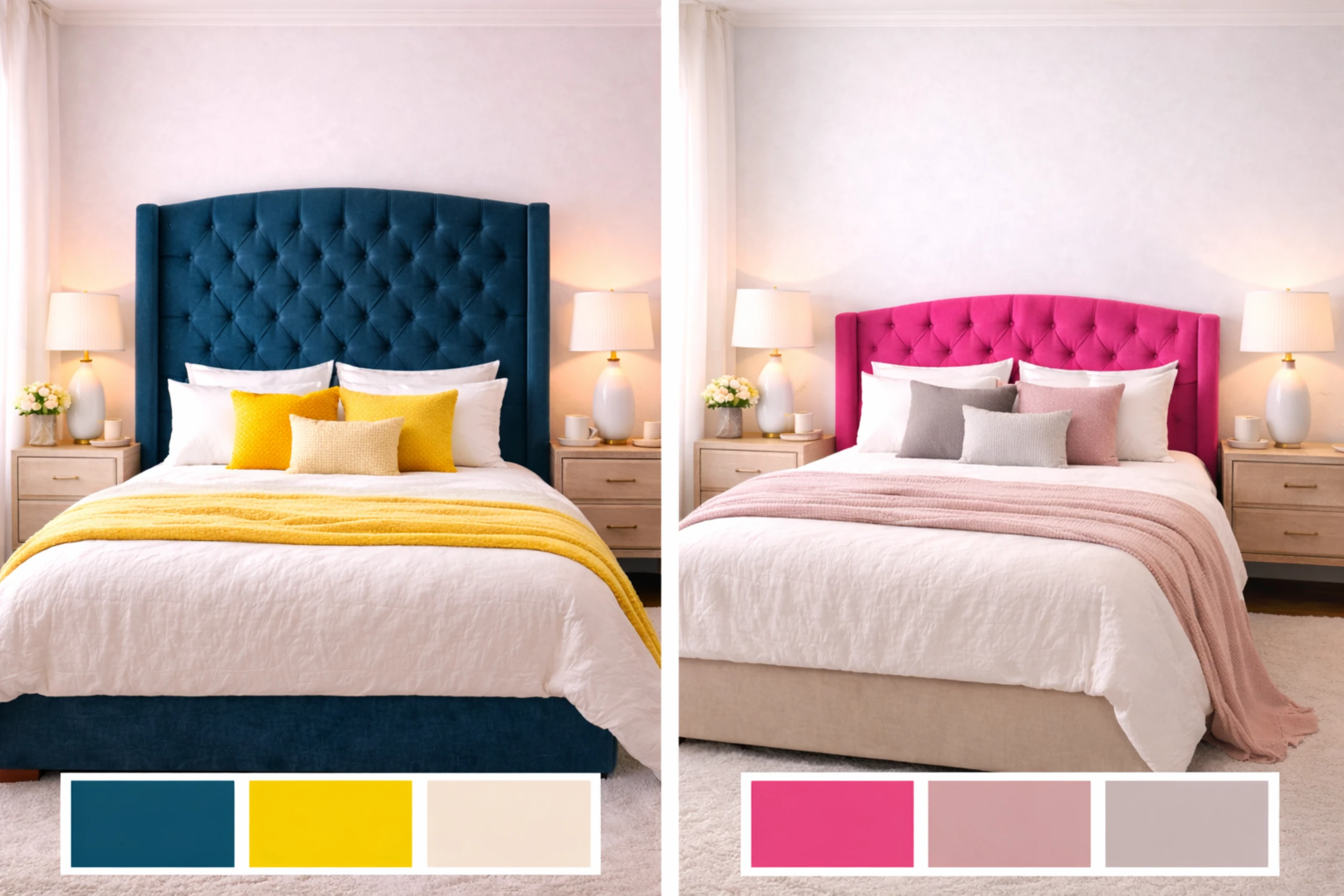
Color significantly affects the mood of a bedroom. Choosing a headboard in a hue that clashes with walls, bedding, or furniture can disrupt visual harmony.
Common mistakes:
Dark headboards in rooms with pastel walls make the space feel heavy.
Bright colors in minimalist rooms dominate the space unnecessarily.
Pro tip: Bring fabric swatches and wall paint samples when shopping to see how the headboard interacts with your room’s natural and artificial lighting.
6. Not Factoring in Maintenance
Maintenance is critical. Some materials require frequent cleaning, vacuuming, or even professional care. Wooden or metal headboards are easier to maintain, while fabrics like linen, velvet, or light-colored upholstery need more attention.
A smart choice aligned with your lifestyle minimizes maintenance while keeping your bedroom elegant.
7. Forgetting Bed Frame Compatibility
Not all headboards fit every bed type. Some require wall mounting, while others attach to the bed frame. Ignoring compatibility can cause gaps, instability, or safety hazards. Always check dimensions, mounting options, and bed frame type before purchasing.
8. Following Short-Term Trends
While it’s tempting to chase trends, headboards are long-term investments. What’s stylish today may feel outdated in a few years. Classic designs, neutral colors, and versatile materials offer longevity and timeless appeal.
Example: Ornate, Victorian-style headboards were trendy five years ago, but now many homeowners find them difficult to match with modern decor.
9. Skipping Personalized Design
Generic headboards limit creativity and uniqueness. Personalized designs can reflect your personality while adding functionality:
1. Unique shapes (arched, winged, panel designs)
2.Integrated storage or lighting
3.Custom fabrics or textures
Real world example: A client in Andheri wanted a headboard with built-in mini-bookshelves for bedtime reading. A custom solution by Mewada Concepts combined functionality with style, creating a space that was both practical and aesthetically pleasing.
Final Thoughts
Choosing the right headboard is about balancing style, functionality, durability, and personalization. By avoiding these common mistakes, you can ensure your bedroom is both beautiful and practical.
Consulting with a Residential Interior Designer in Andheri can save you time, money, and frustration. Professionals help select the right size, material, color, and design, ensuring your bedroom is cohesive, stylish, and functional.
Investing in the right headboard is an investment in your comfort, style, and overall quality of life. With proper planning and expert guidance, you can create a bedroom that feels elegant, cozy, and perfectly tailored to your needs.
FAQ's
1. How do I choose the right headboard for my bedroom?
To choose the right headboard, consider your bedroom size, bed frame type, and daily usage. Consulting the Best Interior Designer in Andheri can help you select a headboard that balances style, comfort, and functionality perfectly.
2. What materials are best for a durable headboard?
Durable headboards are usually made from solid wood, engineered wood with veneer, or high-quality upholstered fabrics. These materials combine longevity, style, and ease of maintenance, making them ideal for everyday use.
3. What are some common mistakes people make when buying headboards?
The most common mistakes include prioritizing style over functionality, ignoring room size, choosing low-quality materials, or following short-term trends. Being aware of these pitfalls can help you make a better and longer-lasting choice for your bedroom.
4. How do I avoid headboards that look out of proportion?
Measure your bed and bedroom dimensions carefully before selecting a headboard. A design professional can ensure proper scale so the headboard complements your space. Working with an Interior Designer in Andheri can save you from common sizing mistakes.