Interior design trends in 2026 are moving toward homes that feel warmer, smarter, and more practical for everyday living. Instead of focusing only on looks, homeowners are prioritizing comfort, multifunctional layouts, sustainable materials, and smart technology that improves daily life. Trends such as warm minimalism, layered lighting, natural textures, personalized décor, and wellness-focused spaces are becoming essential in modern homes. By understanding these trends early, homeowners can make smarter design choices that save money, improve functionality, and increase the long-term value of their property.
What Are the Top Interior Design Trends for 2026?
If you’re wondering what interior design trends will dominate homes in 2026, the biggest changes revolve around making homes more functional, comfortable, and future-ready. The most important trends include warm minimalism, multifunctional rooms, smart home technology, natural materials, sustainable design, and personalized interiors.
Today, many homeowners rely on Top interior designers in Andheri to help them adopt these trends without overspending or making design mistakes. At Mewada Concepts, we see homeowners focusing more on practical upgrades like flexible furniture, smart lighting, and eco-friendly materials instead of just decorative changes.
For example:
- A 2BHK Mumbai apartment can feel 20–30% more spacious simply by using multifunctional furniture and lighter color palettes.
- Smart lighting systems can reduce electricity use by up to 25–35% in modern homes.
- Sustainable materials like engineered wood and recycled décor help lower maintenance costs in the long run.
Understanding these trends helps homeowners save money, increase comfort, and boost property value.
Now let’s explore the Top 10 Interior Design Trends Every Homeowner Should Know in 2026 in detail.
1. Warm Minimalism Is the New Luxury
Minimalism is evolving into something warmer and more welcoming.
Earlier minimalist homes focused on:
- White walls
- Simple furniture
- Sharp edges
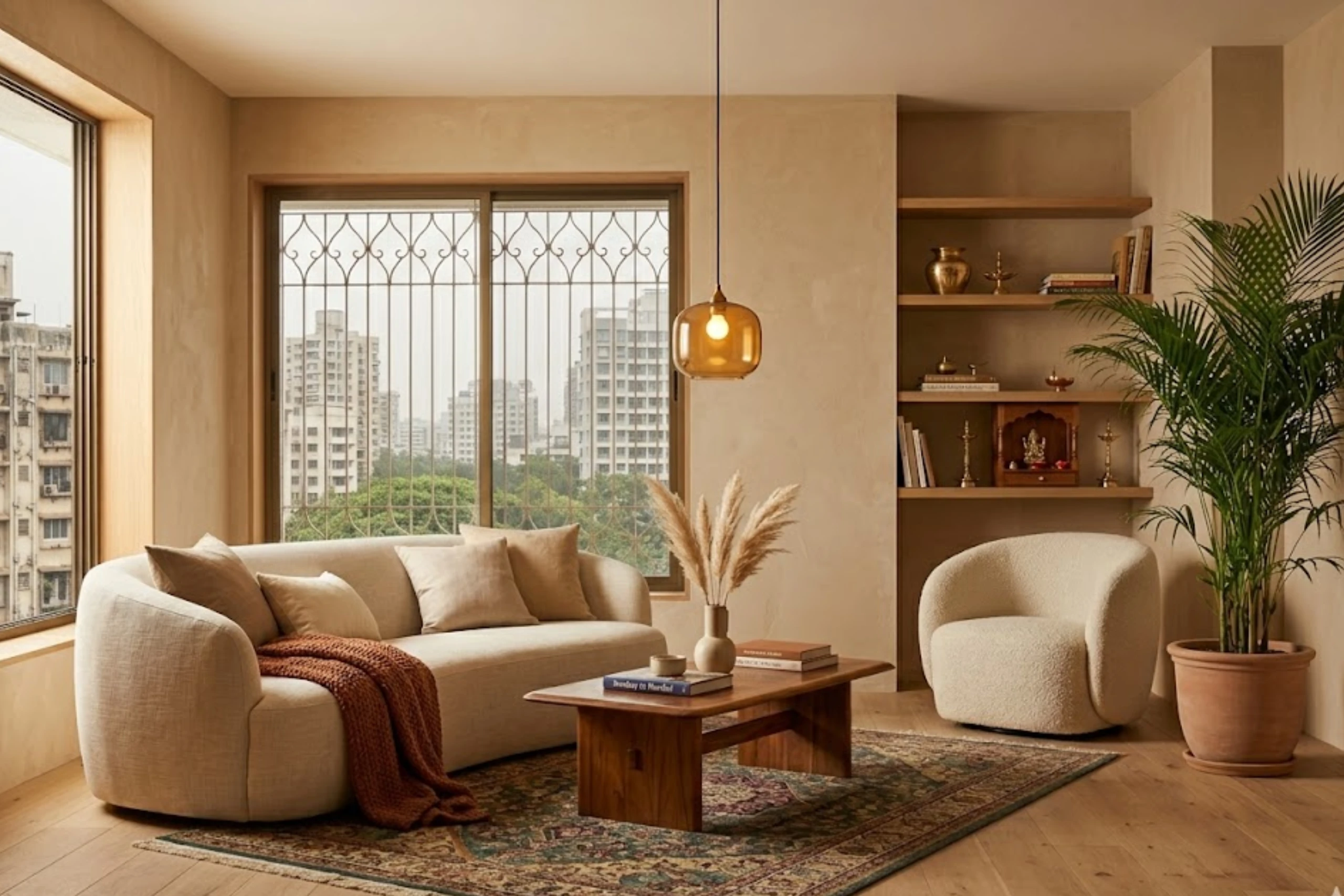
In 2026, the focus is shifting toward warm minimalism, which combines simplicity with comfort.
Key Features of Warm Minimalism
- Neutral tones like beige, sand, and terracotta
- Soft fabrics such as linen and cotton
- Wooden textures
- Warm lighting instead of cool white lighting
Real-Life Example
A homeowner upgrading a 900 sq. ft. apartment replaced glossy white furniture with warm wood finishes and added layered lighting. The result made the space feel more inviting without increasing clutter.
Warm minimalism works especially well in compact urban homes where comfort matters just as much as space-saving.
2. Natural Materials Are Becoming a Must-Have
Natural finishes are dominating modern interiors because they add depth and durability.
Popular materials include:
- Solid wood
- Stone
- Clay décor
- Natural fabrics
These materials not only look premium but also age beautifully.
Example
Instead of laminate panels, many homeowners now choose:
- Wooden wall panels
- Stone countertops
- Clay decorative elements
These choices improve durability and reduce frequent repairs.
3. Multifunctional Spaces Are Essential
Modern homes are doing more than ever before.
One room can serve multiple purposes such as:
- Office
- Study
- Guest area
- Relaxation space
Real-Life Example
A foldable wall-mounted desk can convert a bedroom into a workspace during the day and back into a sleeping area at night.
This trend is extremely valuable in cities where space costs are high.
Many projects handled by a Residential Interior Designer in Andheri now include smart storage units and convertible furniture to maximize space efficiency.
4. Curved Furniture and Soft Shapes
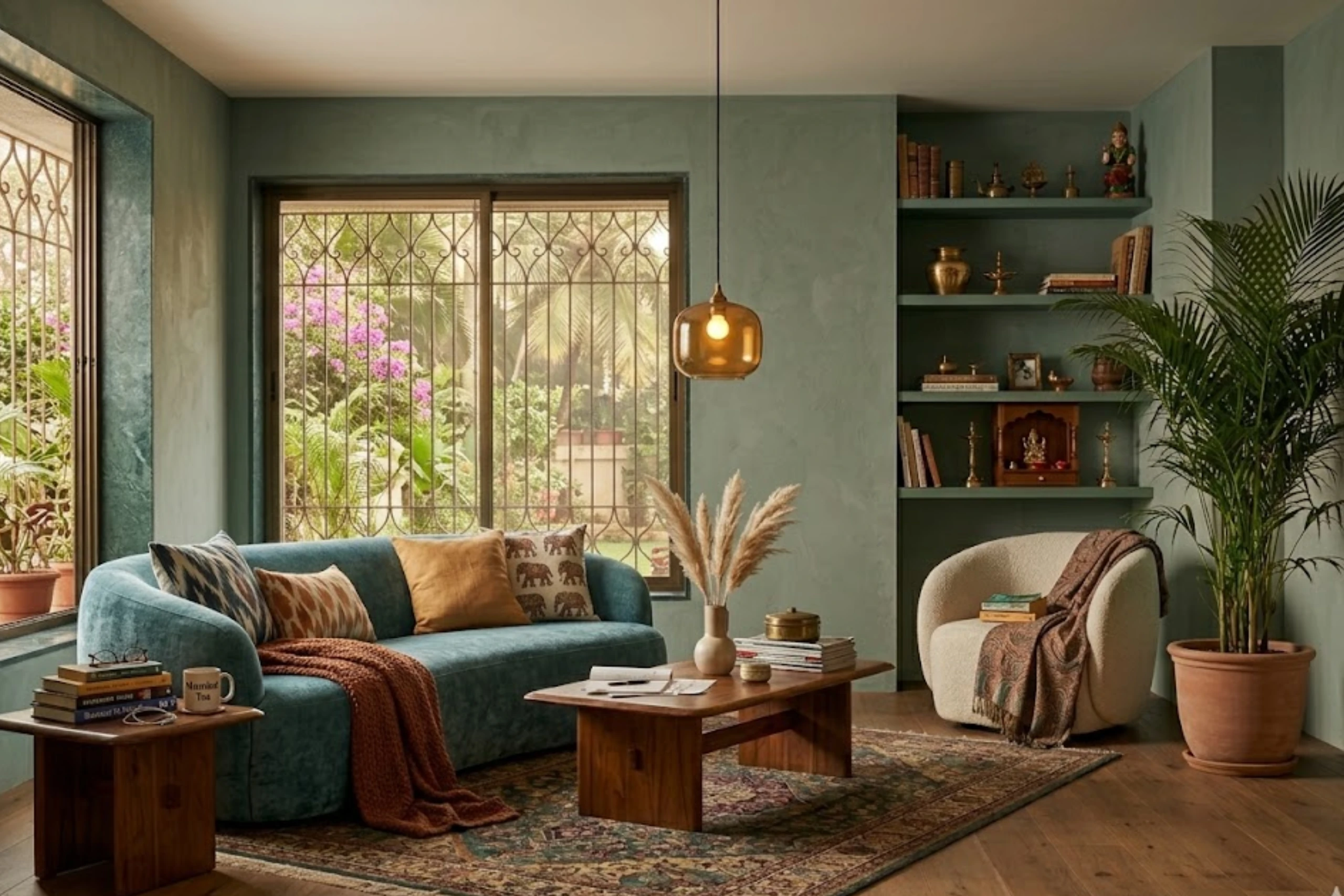
Sharp edges are slowly being replaced with softer curves.
Popular curved elements include:
- Curved sofas
- Round tables
- Arched doorways
- Oval mirrors
These shapes create a calm and inviting atmosphere.
Why It Matters
Curved furniture improves flow and makes rooms feel less rigid, especially in smaller homes.
5. Smart Homes Are Becoming Standard
Technology is no longer optional, it’s expected.
Smart home features include:
- Motion-sensor lights
- Voice-controlled systems
- Smart thermostats
- Automated curtains
Real-Life Impact
Smart lighting alone can reduce electricity bills by up to 30% depending on usage patterns.
Hidden technology is also trending, where devices blend seamlessly into interiors.
6. Sustainable Design Is a Smart Investment
Eco-friendly design is one of the fastest-growing trends worldwide.
Popular sustainable upgrades:
- LED lighting
- Low-flow water fixtures
- Recycled materials
- Solar-compatible setups
Example
Switching to LED lighting can reduce electricity consumption by up to 75% compared to traditional bulbs.
This makes sustainability both environmentally responsible and financially beneficial.
7. Layered Lighting Is Transforming Homes
Lighting is now treated as a design feature rather than just a necessity.
Types of Lighting Used Together
- Ambient lighting
- Task lighting
- Accent lighting
Example
A bedroom using:
- Ceiling light
- Bedside lamps
- LED headboard lighting
Feels significantly more premium and functional than using a single light source.
Many Interior Designers in Andheri recommend layered lighting because it enhances mood and improves usability.
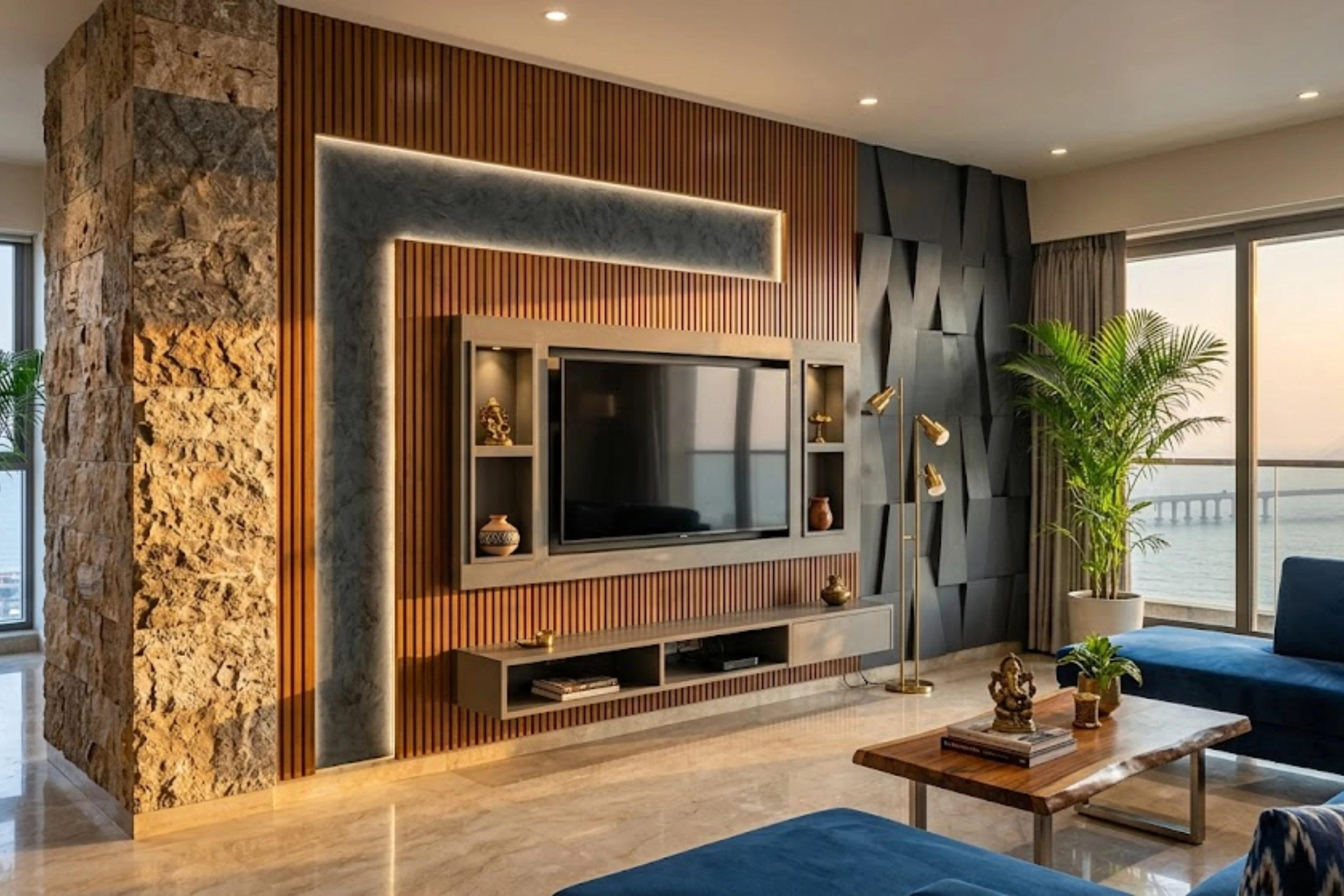
8. Statement Walls and Textures
Plain walls are becoming less popular.
Trending wall ideas:
- Textured finishes
- Wall panels
- Stone cladding
- Wall murals
Example
A TV unit wall with textured panels can become the focal point of a living room without adding clutter.
Statement walls help create visual interest without increasing furniture costs.
9. Wellness-Focused Design Is Growing Rapidly
Homes are now designed to support mental and physical well-being.
Wellness features include:
- Indoor plants
- Natural sunlight
- Meditation corners
- Air-purifying décor
Real-Life Example
Adding indoor plants can improve air quality and create a calming atmosphere, especially in urban environments.
Many homeowners are also creating dedicated relaxation areas to reduce stress.
10. Personalized Interiors Are Replacing Generic Designs
Modern homeowners want homes that reflect their personality.
Customization trends include:
- Custom furniture
- Handmade décor
- Vintage items
- Personal artwork
Example
Instead of buying identical furniture sets, homeowners mix modern pieces with vintage elements to create unique interiors.
Personalized design also improves long-term satisfaction because the home feels more meaningful.
Why These Trends Matter for Modern Homeowners
Interior design is no longer just about aesthetics; it directly impacts lifestyle quality.
Here’s why these trends matter:
- Smart layouts improve daily efficiency
- Better lighting improves comfort
- Sustainable materials reduce long-term expenses
- Multifunctional furniture saves space
For example:
A homeowner who invests in modular storage can increase usable space by up to 20–40% depending on layout.
These practical improvements make homes more future-ready.
How to Choose the Right Trend for Your Home
Not every trend will suit your home.
Here’s how to make the right decision.
Step 1: Identify Your Lifestyle Needs
Ask yourself:
- Do you work from home?
- Do you need extra storage?
- Do you host guests frequently?
Your answers determine which trends are useful.
Step 2: Evaluate Your Space Size
Small Homes:
- Use multifunctional furniture
- Choose lighter colors
- Add smart storage
Large Homes:
- Add feature walls
- Use statement furniture
- Create wellness zones
Step 3: Plan Your Budget Wisely
Start with high-impact upgrades such as:
- Lighting improvements
- Wall textures
- Storage optimization
These changes offer visible improvements without major renovations.
Final Thoughts
Interior design trends in 2026 are centered around making homes smarter, healthier, and more comfortable rather than simply decorative. The shift toward natural materials, flexible spaces, and personalized interiors reflects how modern lifestyles are changing rapidly.
Working with experienced architect interior designers in Andheri like Mewada Concepts ensures that your home doesn’t just follow trends but uses them effectively to enhance comfort, functionality, and long-term value.
Whether you’re renovating an existing home or designing a new one, understanding these trends will help you make confident choices that stand the test of time.
Key Takeaways
- Warm minimalism, smart technology, and multifunctional spaces are the most important interior design trends for 2026.
- Natural materials and sustainable designs reduce maintenance costs and improve long-term durability.
- Layered lighting and personalized interiors significantly enhance comfort and visual appeal.
- Choosing trends based on lifestyle and space size ensures practical and long-lasting results.
- Partnering with experienced designers helps convert trends into functional, budget-friendly solutions.
FAQ's
The biggest interior design trends for 2026 include warm minimalism, multifunctional spaces, natural materials, layered lighting, smart home technology, and personalized interiors. These trends focus on improving comfort, functionality, and sustainability in modern homes.
You can start with small upgrades such as adding layered lighting, creating a textured accent wall, updating soft furnishings, and using multifunctional furniture. These changes make a noticeable difference without requiring a full renovation.
Multifunctional spaces are popular because homes today need to support multiple activities like working, studying, and relaxing. Using foldable furniture and smart storage helps maximize space, especially in compact urban homes.
Multifunctional furniture, light color palettes, smart storage solutions, and layered lighting work best for small homes because they maximize space and improve usability.
Hiring a professional interior designer helps you apply trends correctly while staying within budget. Designers can recommend practical solutions that match your space, lifestyle, and long-term needs.