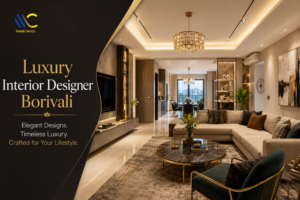
Choosing the right colour palette for your home is a crucial part of interior design that directly affects comfort, mood, and overall visual harmony. Colours shape how a space feels the moment you enter it. They influence emotions, enhance architectural features, and determine whether a home feels warm, calm, energetic, or balanced. This is why many homeowners seek guidance from the Best Interior Designer in Andheri to ensure their colour choices enhance both aesthetics and functionality.
The colour selection process often feels overwhelming due to the wide range of shades and design inspirations available. With a clear understanding of colour planning principles, homeowners can make confident decisions that result in interiors that feel cohesive, functional, and timeless.
Why Colour Palette Selection Matters in Residential Interiors
Colour is one of the first elements noticed in any interior space. It creates an immediate emotional response and sets the tone for how the space is experienced. A thoughtfully selected colour palette enhances both aesthetics and usability, while a poorly chosen one can make even a well-furnished home feel uncomfortable.
In residential design, colours influence:
- Visual balance across rooms
- Perceived spaciousness
- Comfort levels during daily living
- Long-term satisfaction with interiors
This is why homeowners often seek professional guidance when planning colours, ensuring that every shade complements the home’s layout, lighting, and lifestyle needs.
Understanding the Basics of Colour Theory
Before selecting colours, it helps to understand how colours interact with one another.
Warm Colour Tones
Warm colours include shades derived from red, orange, and yellow. These tones add warmth, depth, and vibrancy to interiors. They work well in spaces meant for interaction and movement, such as living areas and dining rooms.
Cool Colour Tones
Cool colours such as blue, green, and muted purple tones promote calmness and relaxation. These shades are ideal for bedrooms, reading spaces, and areas where mental clarity is important.
Neutral Shades
Neutrals form the foundation of most modern homes. Whites, beiges, greys, and soft browns offer flexibility and timeless appeal. Neutral palettes allow homeowners to update décor without repainting frequently.
Combining these tones in the right proportion creates a balanced and visually pleasing environment.
The Role of Proportion in Colour Planning
An effective colour palette is not about using many colours but about using them wisely. Interior designers often plan colours based on proportion to ensure harmony across the space.
A structured approach involves:
- One dominant colour for walls and large surfaces
- A secondary colour for furniture and textiles
- One or two accent colours for décor elements
This method keeps interiors visually organized and prevents colour overload, making spaces easier to live in over time.
Selecting Colours According to Room Purpose
Living Room Colour Planning
The living room is a multifunctional space where relaxation and interaction coexist. Neutral wall colours provide a calm base, while secondary tones add warmth and personality. Accent shades can be introduced through cushions, artwork, or soft furnishings to keep the space dynamic without overwhelming it.
Bedroom Colour Selection
Bedrooms benefit from soothing and understated colours. Soft tones promote relaxation and help create a peaceful environment. Minimal contrast and gentle colour transitions contribute to a restful atmosphere that supports daily routines.
Kitchen Colour Choices
Kitchen interiors work best with light, clean colours that enhance brightness and clarity. Neutral shades paired with subtle accents create a balanced environment that feels organized and inviting. Colour coordination between cabinets, walls, and countertops ensures visual consistency.
Bathroom Colour Design
Bathrooms typically use lighter tones to maintain a fresh and open appearance. Soft neutrals combined with gentle contrasts help define the space without making it feel confined.
How Lighting Influences Colour Appearance
Lighting significantly affects how colours appear in a home. The same colour can look different depending on light direction, intensity, and type.
- Natural light shows the most accurate version of a colour
- Warm lighting enhances warm undertones
- Cool lighting highlights grey and blue undertones
Testing colours under various lighting conditions helps ensure they remain visually pleasing throughout the day. This is a key reason homeowners collaborate with an experienced Interior Designer in Andheri, who understands how light and colour work together in residential spaces.
Creating Seamless Colour Flow Between Rooms
A well-designed home feels connected, not fragmented. Colour flow plays a major role in achieving this continuity.
Effective ways to maintain flow include:
- Repeating similar undertones across rooms
- Using lighter and darker shades of the same colour family
- Maintaining consistent neutral bases throughout the home
This approach ensures that moving from one room to another feels natural and visually comfortable.
Modern Colour Preferences for Contemporary Homes
Today’s residential interiors focus on longevity rather than short-term trends. Homeowners prefer palettes that remain visually appealing for years while offering flexibility for décor updates.
Popular preferences include:
- Earth-inspired neutral shades
- Muted colours that feel soft rather than bold
- Accent tones used selectively for depth
These palettes create interiors that feel elegant, balanced, and adaptable to changing tastes.
The Importance of Material and Furniture Coordination
Colour selection does not exist in isolation. Walls, flooring, furniture, curtains, and décor must work together cohesively.
When choosing colours:
- Flooring tones should complement wall colours
- Furniture finishes should align with the overall palette
- Textures and fabrics should enhance depth without clashing
Coordinated colour planning ensures that each element supports the overall design concept rather than competing for attention.
Why Professional Colour Planning Adds Value
Colour planning requires more than visual preference. It involves understanding spatial proportions, lighting conditions, and functional needs. Professional designers evaluate how colours interact with architectural elements and daily usage patterns.
A thoughtfully designed colour palette enhances comfort, reduces the need for frequent updates, and increases long-term satisfaction with the home.
Final Thoughts
Choosing the right colour palette for your home is a thoughtful process that blends aesthetics with functionality. The right colours enhance comfort, improve visual harmony, and create a space that feels truly personal. From understanding colour tones to ensuring seamless flow between rooms, careful planning leads to interiors that remain timeless and enjoyable.
Working with a skilled Residential Interior Designer in Andheri ensures that every colour choice aligns with your space, lifestyle, and long-term vision.
At Mewada Concepts, colour planning is approached with precision and creativity, resulting in residential interiors that feel balanced, refined, and welcoming.