PVC wall panels are a cost-effective, waterproof, and low-maintenance solution for Indian homes. They work especially well in bathrooms, balconies, and feature walls where moisture and maintenance are concerned. While they are affordable and quick to install, they should be avoided near high-heat areas like kitchen stove backsplashes. When installed correctly, PVC panels can last 10–20 years, making them a smart investment for modern homes.
Are PVC Wall Panels a Good Choice for Indian Homes?
Yes, PVC wall panels are a good choice for Indian homes, especially for homeowners looking for a durable, moisture-resistant, and budget-friendly wall finishing solution. They are particularly useful in cities where humidity, damp walls, and maintenance challenges are common.
Many homeowners who work with Mewada Concepts, known among the Top interior designers in Andheri, prefer PVC panels because they offer faster installation and require less maintenance compared to tiles or wood paneling. However, the key to using PVC panels successfully is installing them in the right areas such as bathrooms, bedrooms, and feature walls while avoiding heat-prone zones.
If used properly, PVC panels can help reduce maintenance costs and provide a modern look without exceeding your renovation budget.
What Are PVC Wall Panels?
PVC (Polyvinyl Chloride) wall panels are lightweight plastic panels designed to cover walls and ceilings. They are widely used as an alternative to traditional materials like paint, tiles, or wooden panels.
These panels are usually:
- 8–10 mm thick
- Available in standard lengths of 8–10 feet
- Installed using interlocking systems
- Mounted using adhesives or metal frameworks
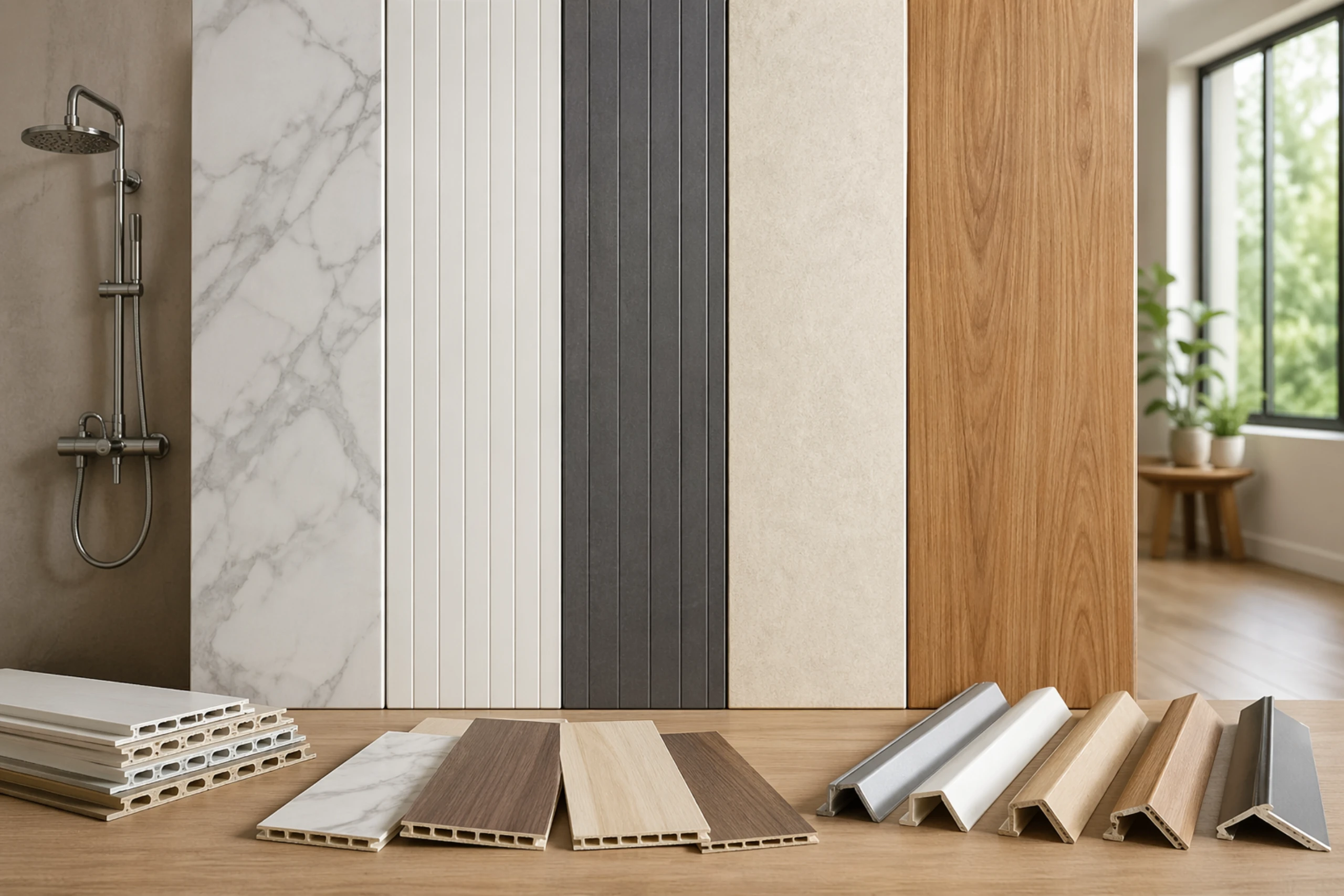
Today’s PVC panels are available in various finishes such as wooden textures, marble patterns, stone finishes, glossy and matte designs, and decorative 3D panels. This variety allows homeowners to match panels with different interior themes without major structural changes.
Why PVC Wall Panels Are Becoming Popular in Indian Homes
Over the past few years, PVC panels have gained popularity due to their affordability and practicality.
Real Market Pricing in India:
The average cost of PVC panels in India ranges from ₹70–₹150 per sq. ft. for basic quality and ₹200–₹500 per sq. ft. for premium designs. In comparison, basic wall paint usually costs around ₹20–₹50 per sq. ft., tiles range between ₹150–₹350 per sq. ft., and wooden panels can cost ₹300–₹800 per sq. ft. or more depending on the finish.
This noticeable price difference makes PVC panels especially attractive for homeowners who want stylish interiors while staying within a budget.
Advantages of PVC Wall Panels
Understanding the benefits helps you decide where PVC panels fit best in your home.
1. Excellent Waterproof Performance
One of the biggest advantages of PVC panels is their ability to resist water. This makes them ideal for bathrooms, kitchens, balconies, and utility areas.
Real-Life Example
In many urban homes, seepage issues are common during monsoon seasons. Instead of repainting walls every year, homeowners install PVC panels in moisture-prone areas. This significantly reduces maintenance costs and improves the lifespan of walls.
2. Budget-Friendly Interior Solution
PVC panels are among the most economical wall covering options available today.
Example Cost Calculation
For a wall area of 100 sq. ft., PVC panels may cost approximately ₹7,000–₹15,000, while tile installation for the same area can range between ₹20,000–₹35,000, and wooden paneling may exceed ₹40,000.
This makes PVC panels an excellent option for homeowners planning interior upgrades without overspending. Many interior designers in Andheri recommend PVC panels for rental homes or budget renovations because they deliver good aesthetics without high investment.
3. Quick Installation Saves Time
Traditional tiling involves curing time and extensive labor, but PVC installation is much faster.
Typical installation timeline:
- PVC panels: 1–2 days
- Tiles: 4–6 days
This faster installation reduces dust, noise, and disruption within the home, making it suitable for families who continue living in the house during renovation.
4. Low Maintenance Requirements
PVC panels require minimal upkeep compared to painted or wooden walls.
Cleaning usually involves:
- A damp cloth
- Mild soap solution
Unlike painted surfaces, PVC panels do not require repainting every few years. This makes them a practical solution for families seeking long-term savings.
5. Termite and Fungus Resistance
Termites can cause severe damage to wooden interiors in Indian homes.
PVC panels:
- Do not attract termites
- Resist fungus growth
- Do not rot in humid environments
Because of these properties, Residential interior designers in Andheri often suggest PVC panels in areas where wooden panels may not last long due to moisture exposure.
Limitations of PVC Wall Panels
While PVC panels offer many benefits, they also have certain drawbacks that homeowners must consider.
1. Not Suitable for High-Heat Areas
PVC is sensitive to heat and may deform under extreme temperatures.
Avoid installing PVC panels:
- Behind gas stoves
- Near ovens
- Close to fireplaces
Exposure to heat may cause surface warping or discoloration.
2. Can Get Scratched or Dented
PVC panels are softer than materials like stone or hardwood.
Heavy impact may:
- Cause dents
- Leave scratches
For high-traffic zones, stronger materials may be more suitable.
3. Limited Premium Appeal
While PVC panels offer attractive finishes, some homeowners prefer natural materials for luxury interiors.
PVC panels work best when used selectively rather than covering every wall.
Best Places to Use PVC Panels in Indian Homes
Strategic placement is essential to maximize performance and durability.
Bathrooms
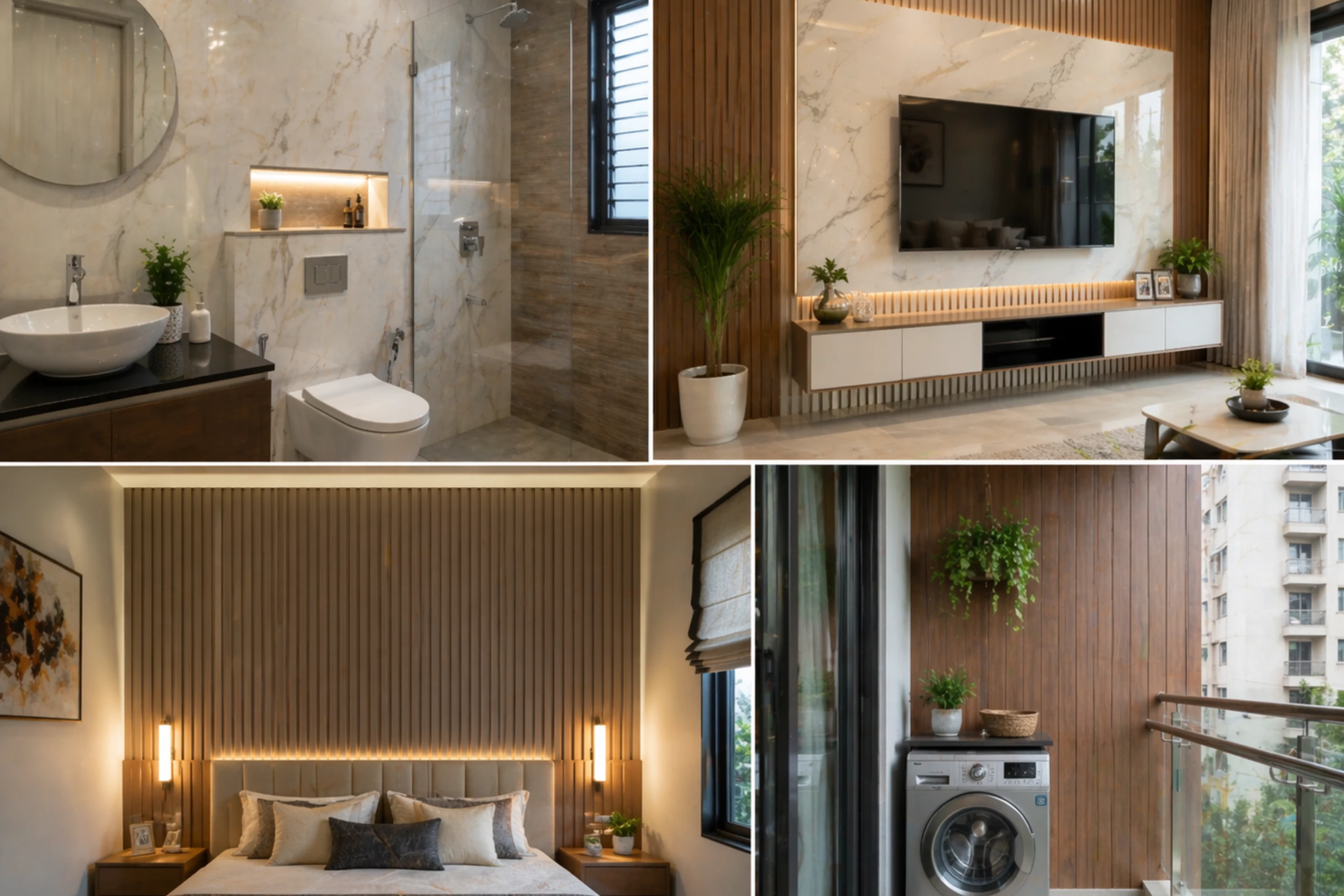
PVC panels perform extremely well in bathrooms due to moisture resistance. They prevent mold growth and reduce cleaning efforts compared to tiled walls.
Living Room Feature Walls
PVC panels are commonly used to create stylish feature walls in living rooms. Popular finishes include marble textures, wooden designs, and decorative patterns.
Bedrooms
PVC panels can be installed behind beds as decorative headboard walls. Matte finishes are recommended for a comfortable and elegant appearance.
Balconies and Utility Areas
Balconies often face exposure to rain and humidity. PVC panels help protect walls from moisture damage while maintaining a neat appearance.
Real-Life Example: PVC Panels in a 2BHK Home
Consider a typical urban apartment renovation project.
Project Details
Home Type: 2BHK apartment
Wall Area Covered: 250 sq. ft.
Estimated Cost
Material cost:
₹25,000–₹37,500
Labor cost:
₹8,000–₹12,000
Total estimated cost:
₹33,000–₹49,500
Compared to tile installation, this project saved nearly 40%, making PVC panels a preferred choice for many homeowners.
How Long Do PVC Wall Panels Last?
PVC panels are known for their durability when installed properly.
Average lifespan:
- Standard quality panels: 10–15 years
- Premium quality panels: 15–20 years
Their longevity depends on installation quality, heat exposure, and regular cleaning practices.
Maintenance Tips for PVC Panels
To maintain performance and appearance:
1.Clean regularly with mild detergent
2.Avoid contact with sharp objects
3.Keep panels away from direct heat
4.Hire professional installers
Following these steps helps extend the lifespan significantly.
When Should You Avoid PVC Panels?
PVC panels may not be suitable in the following situations:
- High-temperature kitchen areas
- Direct sunlight exposure zones
- Heavy-load wall installations
- Exterior walls exposed to weather
Understanding these limitations prevents costly repairs and ensures better performance.
Final Thoughts from Mewada Concepts
PVC wall panels are a practical and reliable option for modern homes when used thoughtfully. They provide an effective balance between affordability, durability, and visual appeal, making them suitable for a wide range of residential spaces.
At Mewada Concepts, our team of experienced architect interior designers in Andheri focuses on selecting materials that match both lifestyle needs and long-term performance expectations. Whether you are renovating a single room or planning a complete home transformation, choosing the right materials ensures that your interiors remain functional, attractive, and easy to maintain for years to come.
Key Takeaways
- PVC wall panels are a budget-friendly and waterproof solution, ideal for bathrooms, balconies, and feature walls.
- They can reduce overall renovation costs by 30–60%, compared to wooden or tile-based wall finishes.
- Avoid installing PVC panels near heat sources, as high temperatures can damage the material.
- Proper installation and maintenance allow PVC panels to last 10–20 years, offering long-term value.
- Using professional expertise ensures correct placement, improving durability and visual appeal.
FAQ's
PVC wall panels typically last 10–20 years, depending on the quality of the panels and how well they are maintained. Proper installation and avoiding exposure to high heat can significantly increase their lifespan. Regular cleaning also helps maintain their appearance over time.
Yes, PVC wall panels are generally more affordable than tiles and wooden panels. On average, PVC panels cost between ₹70–₹150 per sq. ft., while tiles and wooden panels can cost significantly more. This makes PVC panels a cost-effective solution for homeowners looking to upgrade interiors within a limited budget.
Yes, PVC wall panels are highly waterproof, making them a suitable option for bathrooms and moisture-prone areas. Unlike paint or wood, they do not absorb water, which helps prevent mold growth and wall damage. This makes them especially useful in Indian homes where humidity and dampness are common.
PVC wall panels should not be installed in areas exposed to high heat, such as behind gas stoves or near ovens. Heat can cause the material to warp or lose shape. They are also not ideal for heavy-load walls where strong support is required.
No, PVC wall panels require very little maintenance compared to traditional wall finishes. They can be cleaned easily using a damp cloth and mild detergent. Unlike painted walls, they do not require frequent repainting, making them a practical long-term option for busy households.