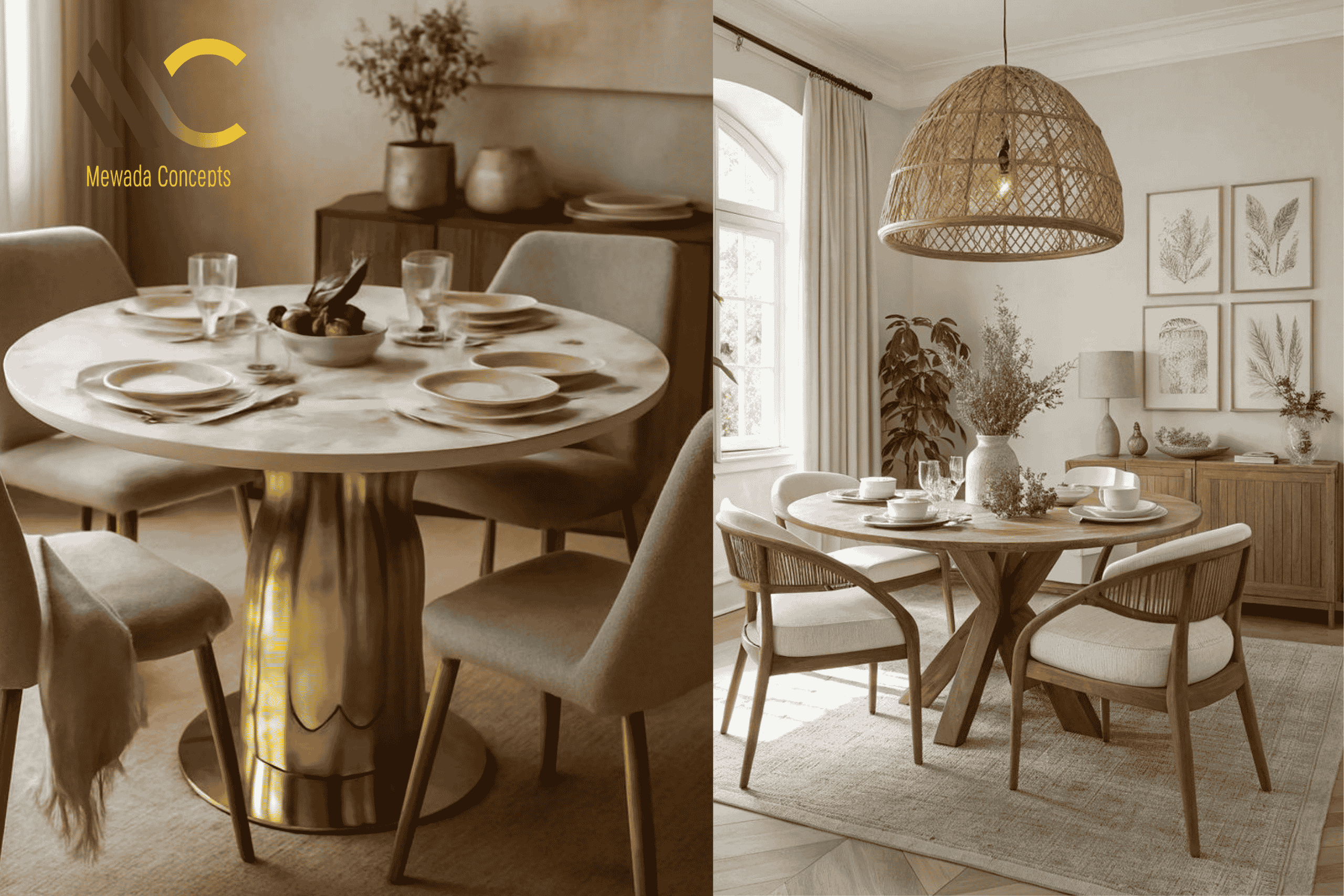
Choosing a dining table is more than picking a stylish piece of furniture. It’s an investment in functionality, durability, and long-term aesthetics. A round dining table becomes the heart of a home, a place for meals, conversations, and shared memories. When deciding between marble and wood, the main question often is: which material truly lasts longer? For homeowners seeking guidance, consulting the Best Interior Designer in Andheri ensures the table aligns with both design and lifestyle needs.
Round tables are popular because they encourage interaction, eliminate sharp corners, and suit spaces of all sizes. While the shape enhances usability, the material ultimately determines how well the table withstands daily wear and tear.
Why Material Choice Matters
While marble and wood each offer visual appeal, they behave differently under everyday use.
A table must withstand:
1] Accidental spills
2] Movement of chairs
3] Minor knocks and bumps
The way the material reacts to these factors directly affects its lifespan. Understanding these differences helps homeowners make informed decisions.
Marble Dining Tables: Luxury with Care
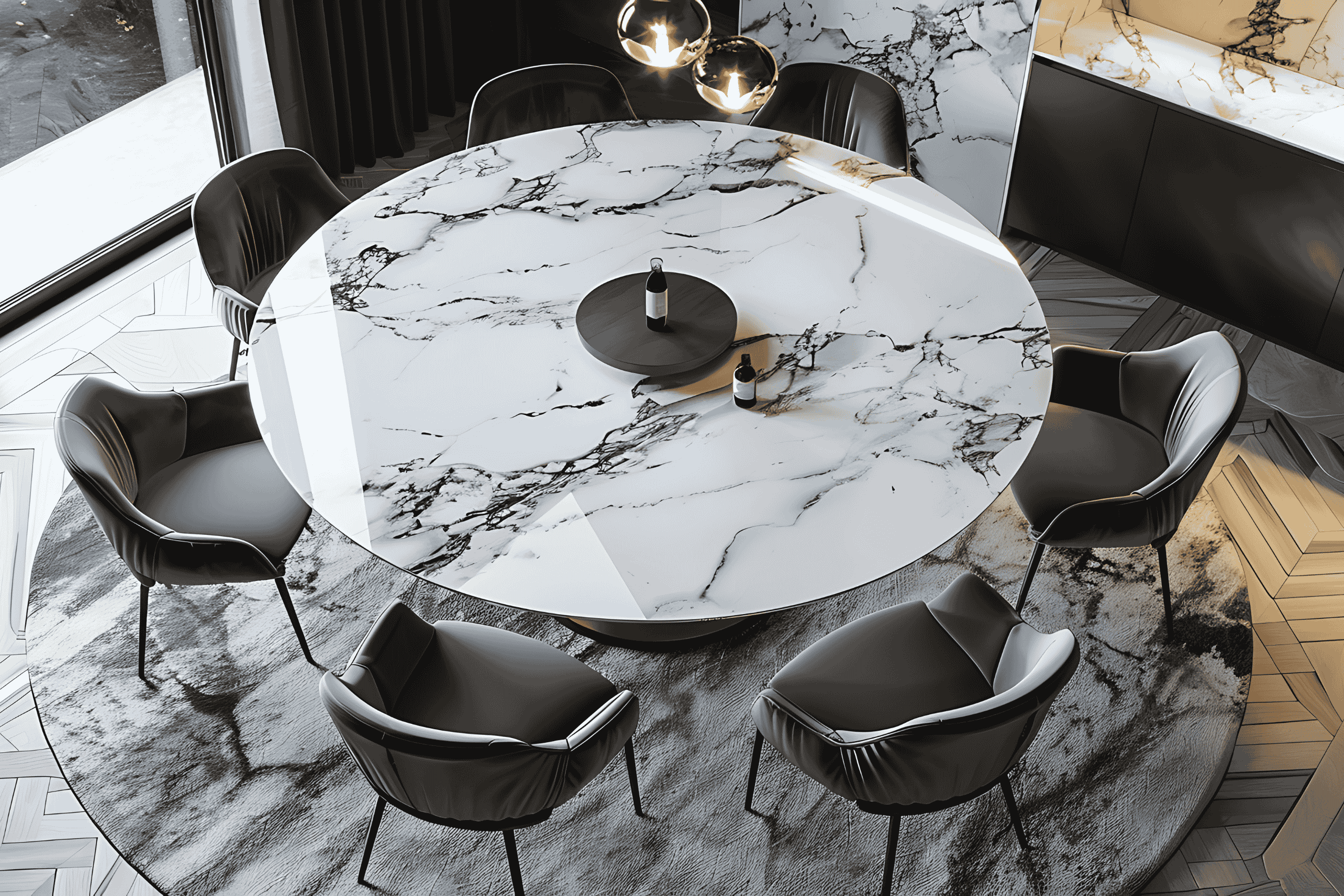
Marble dining tables are admired for their elegance and timeless appeal. The natural veining of marble ensures each piece is unique, instantly elevating any space. Its smooth, polished surface conveys sophistication, making it a popular choice for formal dining rooms.
Key highlights of marble:
1] Rich, polished appearance
2] Unique natural veining
3] Cool, smooth surface
4] Luxurious and visually striking
However, marble has limitations. It is porous, meaning spills can penetrate the surface if not cleaned quickly. Acidic liquids, such as lemon juice or wine, can etch the stone. Although marble is hard and scratch-resistant, it can chip or crack under heavy impact. Consequently, marble demands careful use and regular maintenance, including periodic sealing.
Marble tables are ideal for formal spaces and areas where they are not subjected to heavy daily use. With proper care, they retain their elegance for decades, but they require a disciplined approach to maintain their pristine appearance.
Wood Dining Tables: Timeless and Durable
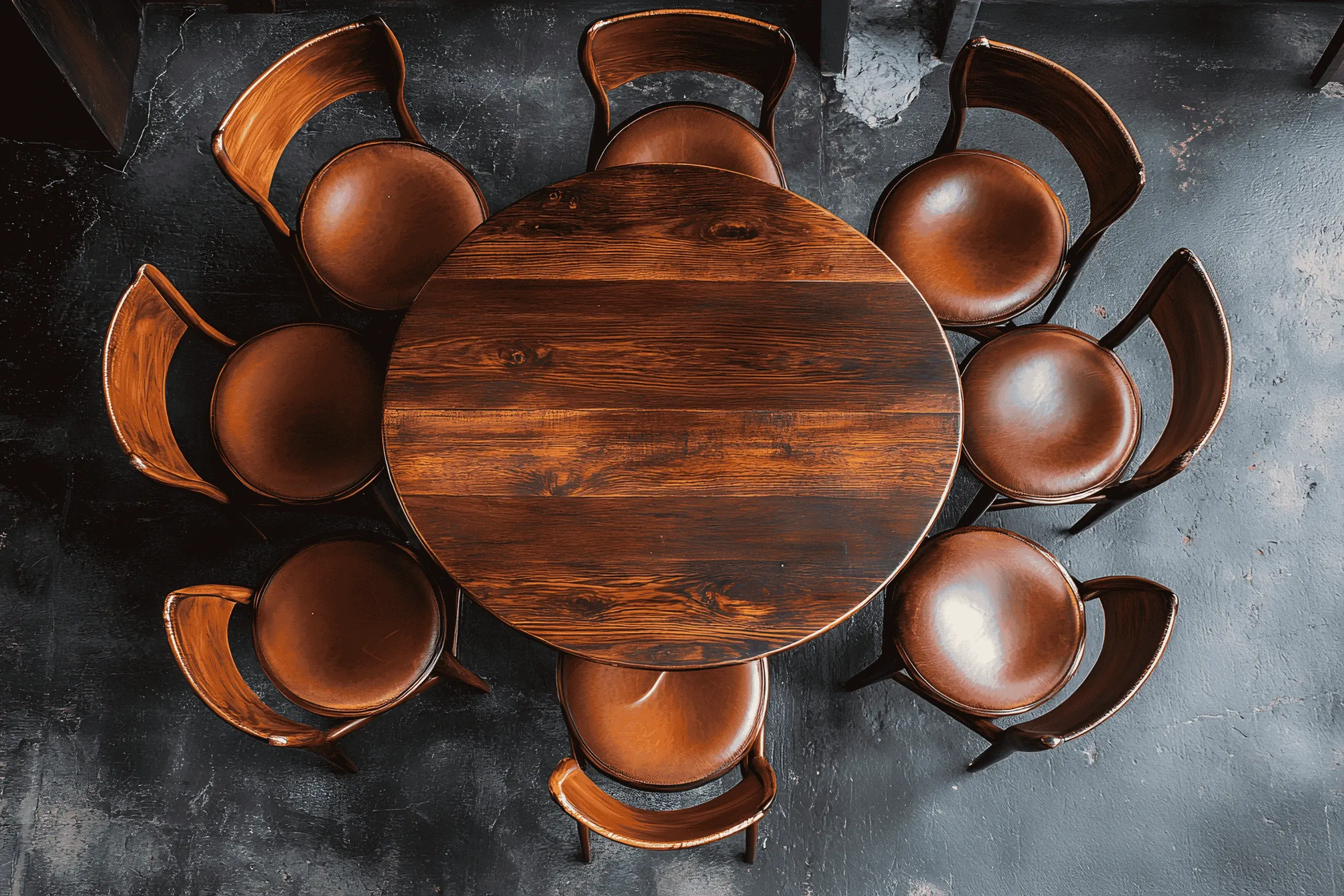
Wood has been a trusted material for furniture for centuries. It is warm, versatile, and remarkably resilient. From traditional homes to contemporary interiors, wood fits seamlessly into any setting. Unlike marble, wood ages gracefully, often developing a rich patina that adds character over time.
What makes wood durable:
1] Hardwoods like teak, oak, and walnut are powerful
2] Minor scratches and dents can be repaired
3] Withstands impact better than marble.
4] Adapts to various interior styles
Wood tables are ideal for family environments or high-traffic areas. They combine beauty with practicality and offer a longevity difficult to match with marble.
Everyday Use: How Marble and Wood Compare
In real homes, tables endure constant activity. How each material responds to daily use is crucial for longevity.
Marble:
1] Needs immediate cleaning after spills
2] Requires coasters and placemats
3] Can stain or etch if neglected
4] Chips are difficult to repair
Wood, in contrast, is more forgiving. Minor spills are easily wiped away, and scratches or dents can be refinished. This makes wood a better choice for families or homes with active use.
Commercial Use Perspective
In professional or high-traffic environments, durability and ease of maintenance are even more critical. A Commercial Interior Designer in Andheri often recommends wooden tables for cafés, offices, or shared dining areas. Wood can withstand frequent use, repairs are affordable and straightforward, and it retains functionality over years of heavy traffic.
Marble may still be used in premium commercial spaces, but only where visual impact is the priority and wear is limited.
Maintenance Tips
Caring for a dining table extends its lifespan, regardless of the material.
For marble:
1] Seal the surface periodically
2] Use gentle cleaning products
3] Clean spills immediately
4] Protect from acidic substances
For wood:
1] Dust regularly
2] Avoid standing water
3] Polish occasionally
4] Refinish as needed
While both materials require attention, wood is generally easier to maintain over the decades, making it more practical for everyday living.
Longevity and Value
When it comes to lifespan, wood often outperforms marble. Marble may last 15–30 years if maintained perfectly, but accidental damage or neglect can shorten its life. Wood, particularly hardwood, can last 30–60 years or more. The ability to repair and refinish wooden tables repeatedly adds to their long-term value.
Financially, wood often provides better returns. While marble tables are generally more expensive upfront, their maintenance costs and vulnerability to damage make them a bigger long-term investment. Wood, with its durability and repairability, balances cost with lasting utility.
Design and Lifestyle Compatibility
Material choice should align with how the table will be used. Marble is best for formal dining areas with minimal daily use, while wood adapts well to active family homes and open-plan spaces. An Interior Designer in Andheri typically considers factors such as:
1]Household size
2]Frequency of dining and entertaining
3]Presence of children or pets
4]Maintenance willingness
These considerations help match the table’s material to the homeowner’s lifestyle, ensuring it remains functional and stylish for years.
Final Verdict
When evaluating durability, maintenance, and everyday usability, wood emerges as the longer-lasting option for round dining tables. It can withstand frequent use, minor accidents, and changing trends while maintaining its appeal. Marble remains a luxurious choice, offering elegance and sophistication, but it demands careful handling and consistent maintenance.
Choosing a well-crafted table from Mewada Concepts guarantees a balance of design and durability, whether you select marble or wood. The right material ensures your dining table remains a functional and attractive centrepiece for your home.
Final Thoughts
Selecting a round dining table involves balancing elegance, practicality, and longevity. Marble delivers luxury and visual impact, particularly in formal or low-traffic spaces. Wood offers resilience, flexibility, and excellent long-term value, making it the preferred choice for everyday living.
A dining table is more than furniture; it is part of your home’s daily life. Choosing wisely ensures it stays beautiful, functional, and meaningful for decades to come.
FAQ’s
1. Which material is better for a long-lasting round dining table, marble or wood?
Wood is generally the better option for long-term use because it is more forgiving, easier to repair, and can be refinished multiple times. While marble looks luxurious, it is more prone to permanent damage from stains, chips, and cracks if not maintained carefully.
2. How often does a marble dining table need maintenance?
Marble typically needs to be sealed once or twice a year, depending on usage. Daily care includes wiping spills immediately and avoiding acidic cleaners to prevent etching and stains.
3. Which option is better for modern interiors: marble or wood?
Both work well in modern interiors. Marble suits sleek, luxury-focused designs, while wood offers warmth and versatility. The final choice depends on your usage pattern and maintenance comfort rather than just visual style.
4. How can the Best Interior Designer in Andheri help in choosing between marble and wood?
The Best Interior Designer in Andheri evaluates your lifestyle, space usage, maintenance preferences, and interior theme before recommending the right material. This ensures your dining table is not only visually appealing but also durable and functional for your specific needs.