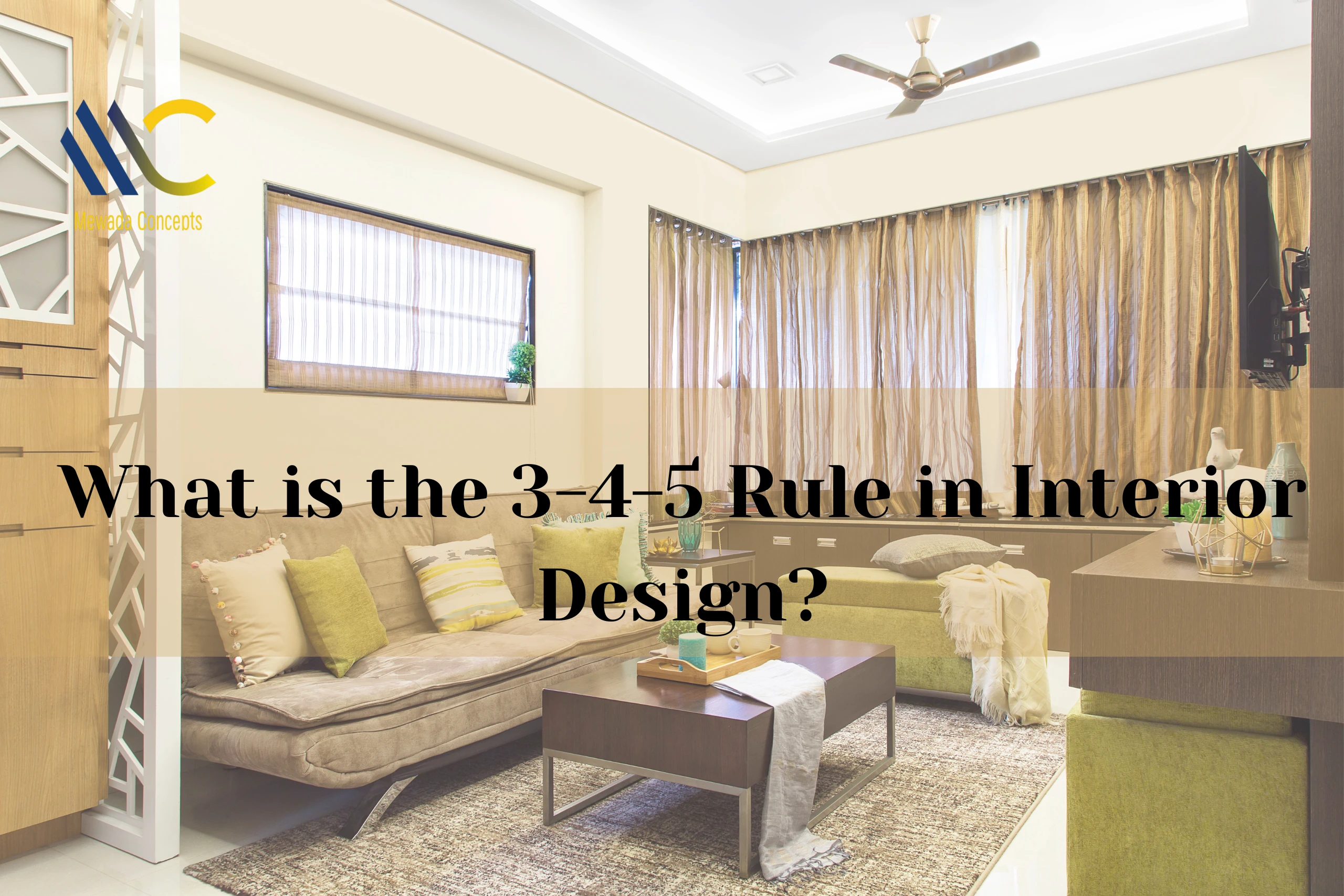
In interior design, creating spaces that feel balanced, functional, and aesthetically pleasing is both an art and a science. One of the lesser-known yet highly effective techniques designers use is the 3-4-5 Rule. While it may sound like a mathematical formula, this Rule is more about visual proportion and harmony than arithmetic.
If you’re planning to redesign your home or revamp a single room, understanding the 3-4-5 Rule can make a huge difference. Working with the Best Interior Designer in Andheri, such as Mewada Concepts, ensures that this principle is applied seamlessly to achieve spaces that are both stylish and practical.
What exactly is the 3-4-5 Rule?
The 3-4-5 Rule is a guideline for creating visually balanced compositions. In simple terms, it involves arranging small, medium, and significant elements in a proportion that pleases the eye. Here’s the basic idea:
3 small elements – These could include smaller décor pieces such as cushions, vases, or table lamps.
4 medium elements – These are medium-sized items such as chairs, wall frames, or side tables.
5 significant elements – These include larger pieces such as sofas, beds, or rugs.
The principle is rooted in human visual perception: our brains prefer spaces that are structured but not monotonous. Applying this Rule ensures that rooms feel harmonious without being overcrowded or empty.
Why the 3-4-5 Rule Works
Humans naturally seek balance. When a room contains too many objects of the same size, it feels monotonous. Too many random sizes, and the space feels chaotic. The 3-4-5 rule strikes the perfect middle ground.
For example, arranging three small décor items together on a shelf catches the eye without overwhelming it. Adding four medium elements around the space creates a sense of rhythm, while five larger items act as anchors, giving the room structure and focus. This combination of small, medium, and large elements feels balanced and pleasing to the eye, which is why designers rely on it so often.
How to Apply the 3-4-5 Rule in Your Home
Here’s how you can implement this rule in different parts of your home:
A. Living Room
In a living room, the 3-4-5 rule can guide furniture arrangement and décor. For example, you could use three small accent cushions on a sofa, place four medium-sized chairs or ottomans around the seating area, and anchor the room with a large couch or a statement rug. This proportion creates a comfortable flow and makes the space visually appealing.
For instance, in a typical 12×16 ft living room, placing three small vases on a coffee table, four medium art pieces on the walls, and a large modular sofa as the focal point will ensure the room feels balanced without clutter.
B. Bedroom
The bedroom is another area where the 3-4-5 rule shines. A simple way to apply it is with your bed, side tables, and décor. Use three small elements, such as bedside lamps, four medium elements, such as wall art or chairs, and five significant elements, such as the bed, wardrobe, and rug. This layered approach ensures that your bedroom feels cozy, functional, and visually organized.
Imagine a 10×14 ft bedroom: using three decorative cushions on the bed, four mid-sized frames above it, and incorporating the bed, two side tables, and a wardrobe as your five significant elements will give the room a harmonious layout.
C. Wall Design
When designing walls, the 3-4-5 rule is beneficial. For example, you can place three small frames in a cluster on one wall, four medium artworks or mirrors on another, and use five larger focal elements, such as a console table with décor or a tall indoor plant, to complete the space. This approach creates a visual rhythm and ensures walls don’t feel either empty or overcrowded.
D. Color and Material Proportion
The 3-4-5 rule can also guide color schemes and material usage. For example, in a living room, you could use three parts neutral colors for walls and flooring, four parts secondary colors for upholstery and curtains, and five parts accent colors or materials for décor pieces like cushions, vases, or artwork. This ensures your space feels vibrant but balanced, without overwhelming the senses.
Real-Life Examples
Applying this rule in real homes can make a noticeable difference. For instance, in a 300 sq. ft. living room, designers at Mewada Concepts often use three accent pieces, four medium furniture pieces, and five larger elements to create balance. Similarly, in a bedroom, three decorative pillows, four wall prints, and five significant elements, such as the bed and wardrobe, help create a cohesive, comfortable space.
Even small Mumbai apartments can benefit from this rule. In a compact 7×10 ft bedroom, three main storage zones, four functional seating or work areas, and five lighting layers can make the room feel organized, functional, and stylish.
Tips for Effectively Using the 3-4-5 Rule
1.Measure Your Space: Always know your room dimensions before applying the Rule.
2.Scale Matters: Small items in a large room may get lost; large items in a small room may overwhelm.
3.Balance Eye Level: Place large pieces at eye level for focal points, and use small accessories above or below to create layers.
4.Mix Textures: Use the Rule for materials, too, combining wood, metal, fabric, and glass to add depth and interest.
5.Function Comes First: Don’t sacrifice usability for aesthetics; the Rule should enhance, not hinder, functionality.
Common Mistakes to Avoid
Some common mistakes when applying the 3-4-5 rule include placing three identical large objects, using too many medium items without balance, and ignoring room scale. Another error is focusing solely on aesthetics without considering comfort and practicality.
By avoiding these mistakes, you ensure that the rule improves your space rather than complicates it.
Why Professional Help Matters
Understanding the 3-4-5 rule is one thing, but applying it effectively is another. A professional, such as the Interior Designer in Andheri at Mewada Concepts, can bring this principle to life while considering:
- Functional space planning
- Budget optimization
- Color and material harmony
- Personal lifestyle needs
For example, in a 450 sq. ft. living space in Andheri, a designer might use three statement lighting fixtures, four seating zones, and five layers of textures and colors to create a space that feels cohesive, stylish, and functional. This kind of balance is difficult to achieve without professional expertise.
Final Thoughts
The 3-4-5 rule in interior design is a simple yet powerful tool for creating visually pleasing, functional spaces. Whether you are arranging furniture, decorating walls, or choosing color schemes, this guideline helps maintain balance and harmony.
For homeowners in Andheri and beyond, working with a residential interior designer in Andheri like Mewada Concepts ensures your space is not only aesthetically appealing but also perfectly tailored to your lifestyle. The right professional can take the 3-4-5 rule from theory to reality, making your home feel beautiful, comfortable, and well-proportioned.
By understanding this principle and combining it with expert guidance, you can create spaces that feel as good as they look, balanced, functional, and uniquely yours.
FAQ's
1. What is the 3-4-5 rule in interior design?
The 3-4-5 rule is a design principle that helps create visual balance by using a mix of small, medium, and large elements in a space. It is widely used by the Best Interior Designer in Andheri to design homes that feel well-organized, visually appealing, and comfortable without looking overcrowded.
2.How does the 3-4-5 rule help with color selection?
It helps divide colors in a balanced way, using neutrals, secondary shades, and accent colors in proper proportion so the space feels lively but not overwhelming.This approach keeps the color palette visually pleasing and well-coordinated.
3.How does the 3-4-5 rule improve room aesthetics?
The 3-4-5 rule improves room aesthetics by bringing harmony, proportion, and visual flow into the design. When applied correctly by an experienced Interior Designer in Andheri, it helps spaces look more refined, professionally styled, and aesthetically pleasing.
4. What is the biggest mistake people make while using the 3-4-5 rule?
The biggest mistake is focusing too much on numbers and ignoring scale, comfort, and functionality. Design should always prioritize usability along with visual appeal.